Investing
How to Calculate ARV (After Repair Value): A Flipper's 2026 Playbook
This guide shows investors and flippers how to estimate ARV from comps, budget the renovation and set a maximum offer with the 70% rule.
·11 min read
How AI is collapsing the property development stack — search, design, permits, sourcing, build — into one voice-first platform. What is already shipping and what is next.
In 2026, the category changed. The unit of work for AI shifted from "make me a picture" to "run my project." That shift is what an AI property development platform is. This is the field guide to what it actually is, what ships today, and what comes next.
There are now hundreds of AI tools for property work. Most are point solutions: AI interior design tools, AI virtual staging, AI floor planners, AI listing search, AI permit checkers. A platform is different. A platform takes the entire stack — search → design → permits → sourcing → build — and runs it as one connected workflow, with one memory of your project and one agent that switches contexts as the work evolves.
That's what Compozit is. The four lenses:
| Lens | Description | Status |
|---|---|---|
| Vision | Design lens — live today on iOS | Live |
| Lens | Property search by voice | Q3 2026 |
| Check | Regulation and permits (Montreal-first) | Q4 2026 |
| Flow | Sourcing, vendors, contractors, build | Q1 2027 |
A tool gives you an answer. A platform gives you an outcome.
The most expensive minute in any renovation isn't the trades. It's the dead time between tools — copying numbers from your designer's mood board into a contractor email, retyping the same room dimensions into three different apps, forwarding listings to your spouse and losing track of which one had the load-bearing wall problem.
A platform absorbs that dead time. The state lives in one place. The agent remembers what you said yesterday.
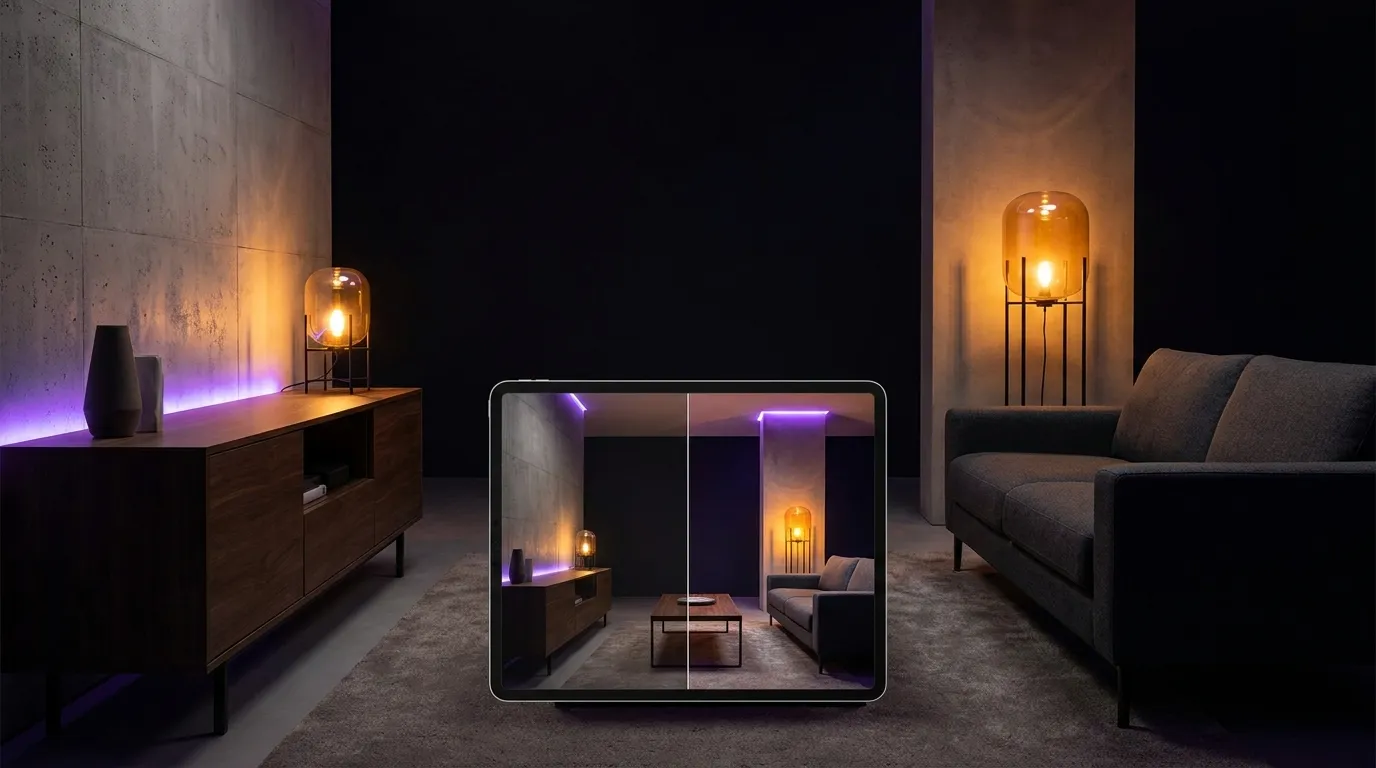
The most mature lens of any AI property platform today is design. Compozit Vision is the design lens — photo-grade renders in seconds, real furniture from real stores, voice and chat iteration. Cost estimates within ±5% of what you actually pay on furniture and fixtures.
What works today:
You: Find me a duplex in Mile-End under 850k with rental potential.
Lens: Three matches. The Saint-Joseph one has the highest upside. Want to see it styled?
You: Yes. The upper unit, Scandinavian, under 12k for furniture.
Vision: Done. 22 pieces sourced. $11,420. Heads up — the wall between kitchen and dining is load-bearing.
Check: Plateau-Mont-Royal requires a permit and a structural engineer's letter. About 4 weeks.
You: Get me three contractor quotes.
Flow: Three vetted quotes coming in by Friday. I'll handle the back-and-forth and confirm with you before booking.
One thread. Four lenses. Done.
Property is the most local business there is. Permits change at the borough line. Suppliers change at the city line. Contractor reliability scores change project by project.
Compozit launches in Quebec and Montreal first — building code logic, borough-specific zoning rules, vendor relationships with EQ3, Structube, Tanguay, and Linen Chest, with French-language support coming. National rollout follows. The alternative — a generic, global, tool-shaped AI — gives you generic answers that don't survive contact with your borough's permit office.
| Cost line | Traditional | AI platform |
|---|---|---|
| Design / planning | $3,000–10,000 | included |
| Sourcing markup | 10–20% | ~0% |
| Permit consultant | $500–2,000 | included |
| Contractor coordination | your weekends | agent-managed |
| Time-to-finish | baseline | 30–40% faster |
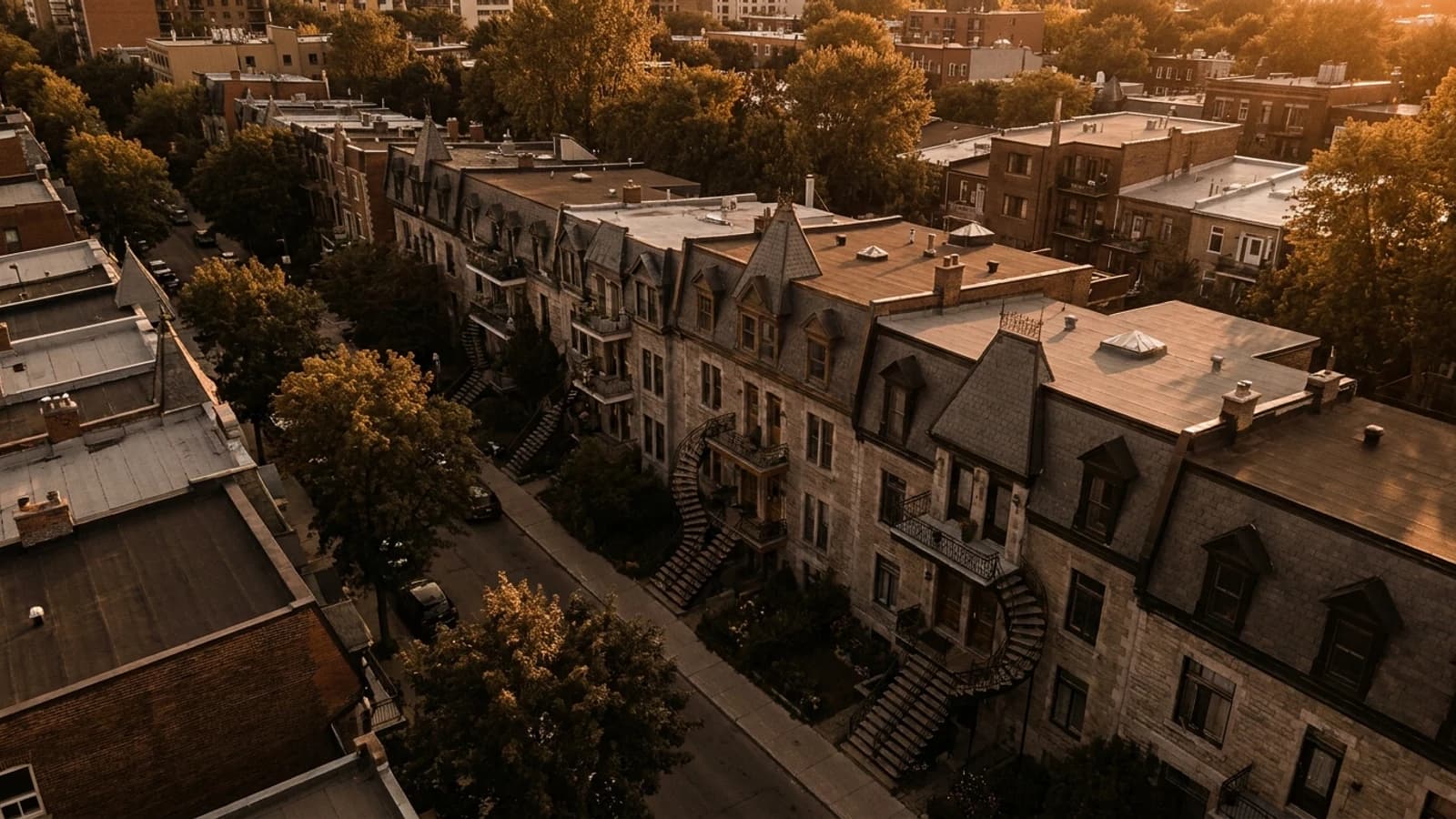
Homeowner Alice Owns a Plateau triplex top floor. Wants to renovate the kitchen and bathroom over six months without hiring a designer. Budget: $50k all-in. Compozit's job: get the design right, source the materials, pull the permit, find the contractor, track the build.
Investor Ben Buys distressed triplexes in Saint-Henri and Hochelaga. Renovates back-to-back. Wants to stack 6 projects in 18 months. Compozit's job: find the right properties, model the ROI, run the renovations on parallel tracks, hold vendors accountable.
Developer Camille Boutique condo developer. Builds 4–8 unit projects in Montreal. Wants to compress the design-to-permit cycle and cut sourcing markups. Compozit's job: design unit interiors at scale, pull permits per unit, source furnishings for staging, coordinate handoff to broker.
Is an AI property development platform just a marketing term for AI tool? No. A tool gives you a picture. A platform runs your project. The state, the memory, and the workflow live across the whole stack — search, design, permits, build.
Does Compozit replace contractors and trades? No. The agent runs the project-management layer. Trades still install. Inspectors still inspect. We coordinate them, get quotes, track timelines, and hold vendors accountable.
What's live today vs coming? Vision (design lens) ships today on iOS. Lens (Q3 2026), Check (Q4 2026), Flow (Q1 2027) follow.
Why Quebec and Montreal first? Property is local. We're building code logic for the borough we live in before going wider. Quality first, scale second.
Compozit
Virtual staging, renovation previews, and listing-ready photos for real estate pros — in under 30 seconds.
Start FreeKeep Reading
This guide shows investors and flippers how to estimate ARV from comps, budget the renovation and set a maximum offer with the 70% rule.
What AI photo editing can fix in listing photos, where the MLS line sits, and a workflow agents can run on every listing without misleading buyers.
Compare virtual and physical staging in 2026: costs, turnaround times, buyer perception, and ROI for real estate agents and sellers.