Guide
Which Rooms to Stage to Sell Faster (and Which to Skip)
Data-informed guidance on the rooms that move buyers — living room, primary bedroom, kitchen — and where staging budget is wasted. How agents prioritize st
·11 min read
Vacant homes sell slower and for less. Nine practical tactics — virtual staging, lighting, curb appeal, pricing, and listing-photo quality — agents use to
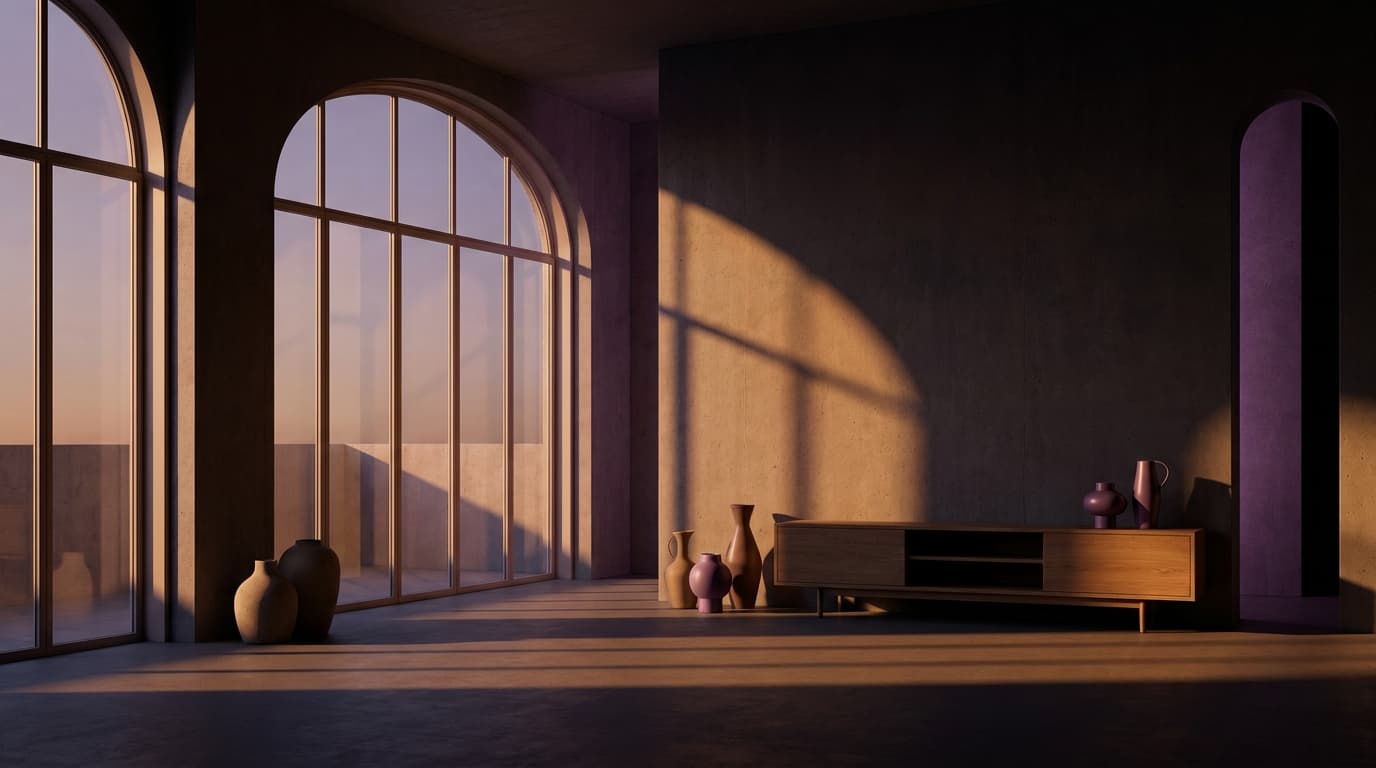
A vacant house can feel cold, uninviting, and often takes longer to sell. Buyers struggle to visualize themselves living in empty spaces, leading to slower sales and potentially lower offers. If you're looking for practical advice on how to sell a vacant house faster and for its true value, you're in the right place. This article outlines nine proven tactics that real estate professionals, flippers, and homeowners use to transform empty listings into attractive, desirable homes, even when no one is living there.
One of the biggest hurdles when selling a vacant house is helping buyers envision its potential. Empty rooms appear smaller, lack warmth, and make it hard for prospective owners to imagine furniture placement, lifestyle, or even a sense of scale. This is where virtual staging becomes an invaluable tool.
Virtual staging uses digital technology to furnish and decorate empty rooms in listing photos. Unlike traditional physical staging, which can be costly and logistically challenging for a vacant property, virtual staging offers a flexible and affordable alternative. It breathes life into sterile spaces, allowing buyers to see a fully furnished living room, a cozy bedroom, or a functional office.
When done professionally, virtual staging can showcase a property's best features, define room functions, and create an emotional connection with potential buyers. Choose styles that appeal to your target demographic and ensure the virtual furniture is proportionate and realistic. Beyond professional virtual staging services, you might want to experiment with different design styles yourself. For instance, with Compozit you snap a room and see it redesigned and priced, giving you quick insights into various aesthetic possibilities and their potential costs. This can inform not only your staging choices but also any potential minor renovations.
Light can dramatically impact the perception of a space, and a vacant house often suffers from a lack of it. Dim, unlit rooms feel depressing and neglected, deterring buyers. Maximizing both natural and artificial light is crucial to making the property feel bright, open, and welcoming.
Start by ensuring all windows are sparkling clean, inside and out. Remove any heavy window treatments that might block light, opting for sheer curtains or blinds that can be easily opened. If the house has no window coverings, consider adding simple, inexpensive ones to soften the look and provide a sense of completeness without obstructing light.
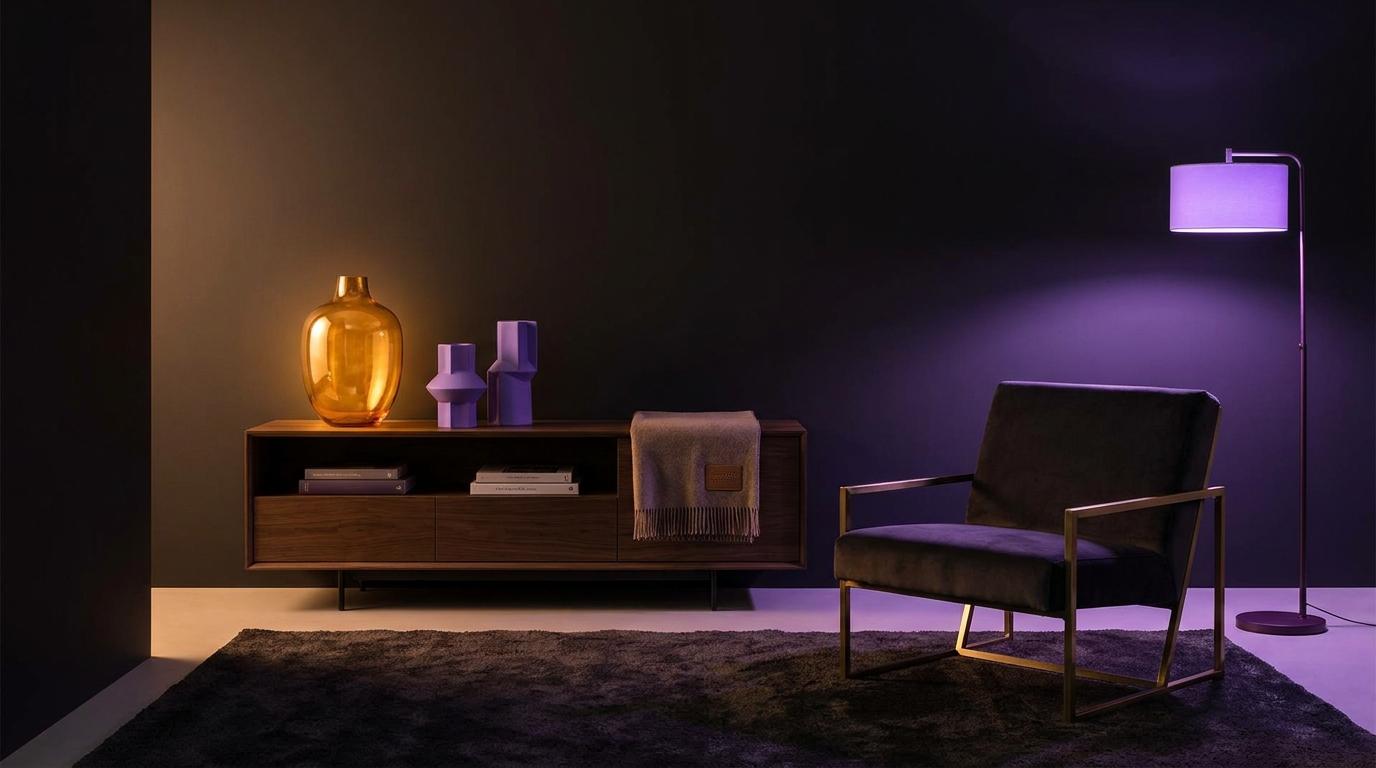
For artificial lighting, make sure every light fixture has working bulbs, and choose bulbs with a warm, inviting glow rather than harsh, cool tones. Consider leaving some lights on a timer, especially for evening showings, to ensure the house never feels dark upon entry. If certain rooms are particularly dim, strategic placement of floor or table lamps (even if just for photos, then removed) can make a significant difference. The goal is to create an atmosphere where every corner feels illuminated and inviting.
Even if the inside of your house is vacant, the exterior is the very first thing a potential buyer sees, whether in person or in photos. Strong curb appeal creates a positive initial impression and encourages buyers to want to see more. Neglecting the exterior of a vacant home can send a message of neglect about the entire property.
Start with the basics: a well-manicured lawn, trimmed bushes, and swept walkways. Remove any weeds from garden beds or cracks in the pavement. Power wash the exterior, including siding, driveways, and sidewalks, to remove dirt, grime, and cobwebs. Consider a fresh coat of paint for the front door, and ensure all exterior lighting fixtures are clean and functional. Adding a few potted plants or flowers near the entrance can provide a touch of welcoming color and life.
If the house has a porch or patio, make sure it’s clean and inviting. Clear away any debris, and if possible, add a fresh welcome mat. Even simple touches like these can elevate the perceived value and care of the property, signalling to buyers that the home has been well-maintained.
A vacant house amplifies every imperfection. Dust, dirt, scuff marks, and lingering odors are far more noticeable in an empty space than in one filled with furniture and personal belongings. A deep, professional-level clean is non-negotiable for how to sell a vacant house.
Beyond the usual vacuuming and dusting, focus on these critical areas:
Pricing is always critical, but for a vacant home, it becomes even more delicate. An overpriced vacant home sits on the market, accumulating carrying costs and signaling to buyers that something might be wrong with the property. Buyers often perceive vacant homes as "distressed" or "abandoned," leading them to expect a discount.
Work with your real estate agent to conduct a thorough comparative market analysis (CMA). Look at recently sold comparable homes in your area, especially those that were vacant or needed similar levels of work. Be realistic about the market conditions and the house's current state.
Consider the cost of holding the property (mortgage, insurance, utilities, taxes) against the potential benefit of holding out for a higher price. Sometimes, pricing slightly below market value can generate intense interest, leading to multiple offers and a quick sale, often for over the asking price. Conversely, an aggressive price can lead to stagnation and necessitate price reductions later, which can also be perceived negatively. The goal is to find the sweet spot that attracts immediate attention and justifies its condition.
In today's digital age, listing photos are your most powerful marketing tool. For a vacant home, high-quality photography is absolutely essential to overcome the challenges of an empty space. Amateur photos with poor lighting, distorted angles, or blurry images will fail to capture buyer interest and make the house look worse than it is.
Invest in a professional real estate photographer who understands how to shoot empty homes. They know how to use wide-angle lenses to make rooms appear spacious, how to manipulate natural light, and how to create appealing compositions. They can also work with virtual stagers to integrate the digital furniture seamlessly.
Beyond interior shots, consider drone footage, especially if the property has unique exterior features, a large lot, or is located in a desirable neighborhood. Aerial views provide context that ground-level photos cannot, showcasing the property's size, layout, and proximity to amenities. This is particularly effective for vacant homes where the surrounding environment might be a major selling point.
While a vacant home might not require a full renovation, addressing minor repairs and deferred maintenance is crucial. Buyers will notice every crack, leak, and faulty fixture in an empty house. These small issues can accumulate in a buyer's mind, making the property seem like a money pit or suggesting a lack of care.
Create a "fix-it" list focusing on high-impact, low-cost repairs. This might include:
These small investments can significantly enhance a buyer's perception of the home's condition and reduce the number of potential objections. As you consider repairs and potential upgrades, it's incredibly useful to visualize the final outcome and understand the budget implications. With Compozit you snap a room and see it redesigned and priced, offering a clear picture of what different improvements might entail for your bottom line.
Even if you opt against virtual staging, you can still help buyers understand the purpose of each room in a vacant home. An empty room can look ambiguous, making it difficult for buyers to envision how they would use the space.
Consider leaving a simple, clean floor plan prominently displayed near the entrance or in a digital format with the listing. This helps buyers orient themselves and understand the flow of the house. For specific rooms that might be unclear (e.g., is this a formal dining room or a flex office space?), you could use a small, tastefully designed sign on an easel to suggest a function.
For instance, a sign that says "Imagine your home office here" or "Spacious formal dining" can subtly guide the buyer's imagination without the expense of physical staging. This tactic, combined with excellent photography, can clarify the home's layout and potential uses.
Simply listing your vacant house on the Multiple Listing Service (MLS) and hoping for the best is rarely enough. To sell a vacant house quickly, you need a robust digital marketing strategy that pushes the property beyond traditional channels and reaches a wider, targeted audience.
Combining these digital marketing efforts ensures your vacant property gets maximum exposure and appeals to a broad spectrum of potential buyers.
To help prioritize your efforts, here's a general comparison of some key tactics:
| Tactic | Initial Effort | Potential Impact on Sale Speed | Potential Impact on Sale Price | Notes |
|---|---|---|---|---|
| Professional Virtual Staging | Moderate | High | High | Transforms perception of empty spaces. |
| Curb Appeal | Low to Moderate | High | Moderate | Crucial for first impressions, often overlooked. |
| Deep Cleaning | Moderate to High | High | Moderate | Eliminates distractions and perceived neglect. |
| Smart Pricing Strategy | Low (Research-heavy) | Very High | Very High | The most critical factor; requires expert analysis. |
| Professional Photography | Low (Coordination) | High | High | Essential for online presence; makes or breaks initial interest. |
| Minor Repairs | Low to Moderate | Moderate | Moderate | Prevents buyer objections and perceived future costs. |
| Digital Marketing | Moderate to High | High | Moderate | Expands reach beyond traditional methods. |
Selling a vacant house comes with unique challenges, but by implementing strategic tactics, you can accelerate the sale and maximize your return. Focus on creating a welcoming first impression, both online and in person, by using virtual staging, maximizing light, and ensuring pristine cleanliness. A smart pricing strategy, coupled with professional photography and a comprehensive digital marketing plan, will ensure your property stands out. Addressing minor repairs and clearly defining room functions further helps buyers visualize their future in the home. With careful preparation and targeted effort, your vacant house can become an attractive, sought-after property in the market.
Compozit
Virtual staging, renovation previews, and listing-ready photos for real estate pros — in under 30 seconds.
Start FreeKeep Reading
Data-informed guidance on the rooms that move buyers — living room, primary bedroom, kitchen — and where staging budget is wasted. How agents prioritize st
A clear rundown of how to disclose virtually staged photos across major MLSs and portals, avoid misrepresentation complaints, and label images correctly —
This guide shows investors and flippers how to estimate ARV from comps, budget the renovation and set a maximum offer with the 70% rule.